The Ultrahuman Ring PRO may attract people who want health insights without wearing a watch all day. But a product name alone does not tell you how well a ring performs. This guide introduces ten practical points to examine, from fit and comfort to app features, battery life, and data privacy. Small details matter. A ring that feels fine in a shop may become distracting overnight.
Specifications and availability can change, so check current information from Ultrahuman before making a purchase. Separate confirmed details from early reports or marketing claims. Look for clear explanations of what the ring measures, how often it needs charging, and whether the companion app requires a subscription. These questions are less exciting than polished product images. They are more useful.
Personal experience also has limits. Finger shape, skin sensitivity, sleep habits, and daily routines can affect comfort and readings. No wearable should be treated as a medical diagnosis. The Ultrahuman Ring PRO could suit some routines and frustrate others; neither outcome can be judged from a headline. A sizing kit, return policy, and realistic expectations deserve attention. I would not assume that more metrics automatically mean better health decisions. The ten points ahead offer a grounded way to assess the ring, compare its claims with your needs, and notice what remains uncertain before you buy.
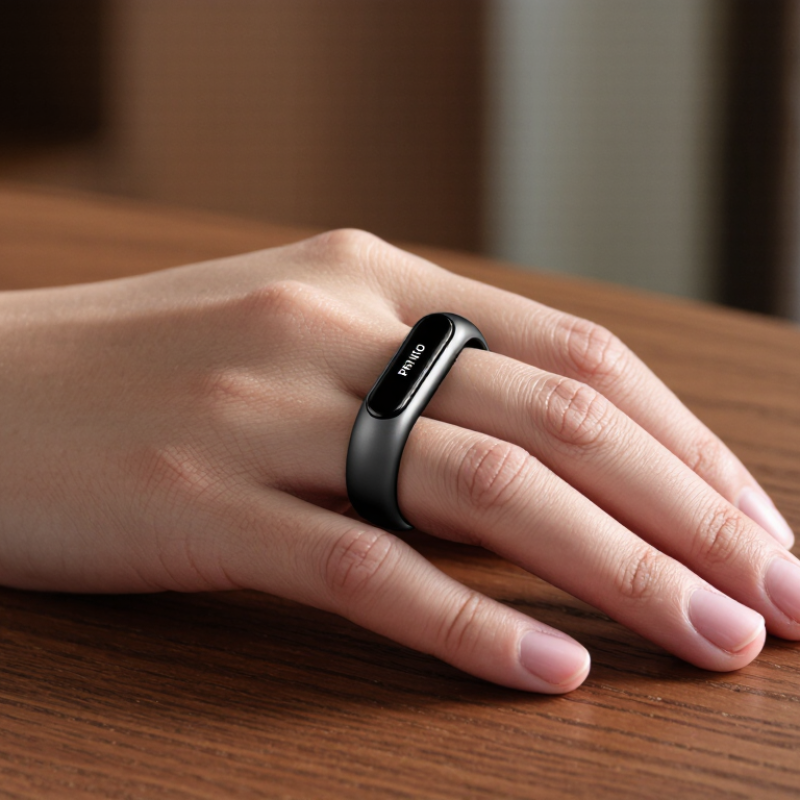
A smart ring is designed to make everyday health tracking less intrusive. Worn on a finger, it can collect signals such as pulse, temperature trends, movement, and sleep patterns. The aim is not to replace a medical assessment. Instead, the data can help users notice changes and build more consistent routines. A week of restless nights may be more useful than one isolated score. Still, readings are estimates, not a verdict.
Its compact shape keeps a screen off the hand, so information is usually reviewed in a companion app. That makes the design discreet, but it also means checking your progress requires a phone. A good fit matters: the ring should feel secure without pinching, especially overnight. Sensors need stable contact with the skin. Comfort is personal.
Core functions typically center on sleep, activity, and recovery trends, with summaries that may help guide rest or exercise choices. Look for patterns over time rather than reacting to every daily fluctuation. The numbers can feel precise. They are not always. Skin temperature, movement, and fit can affect results, and a ring may miss context such as stress or illness. Its strongest purpose is steady observation, paired with your own judgment.
How a Smart Ring Tracks Health, Fitness, and Recovery
A smart ring can monitor resting heart rate, heart-rate variability, skin temperature, movement, and estimated sleep. Worn overnight, it records small changes while your hands rest beside the bed. The readings can help reveal patterns, but they are estimates, not medical diagnoses. Still, a ring can miss context. A late meal, a warm room, or a restless night may affect the data.
Sleep tracking is most useful across several nights, not as a score to chase each morning. The American Academy of Sleep Medicine recommends adults get at least seven hours of sleep regularly. A ring may show sleep duration and interruptions, yet it cannot replace clinical testing for sleep disorders. I would not treat one low score as a verdict. It may be a useful prompt to check how you actually feel.
For fitness, movement and heart-rate trends can add context to workouts and daily activity. The World Health Organization’s 2020 guidelines recommend adults accumulate 150–300 minutes of moderate-intensity aerobic activity each week. Recovery features often combine sleep, heart rate, and HRV into a readiness estimate; formulas differ between devices. Look for repeated trends, such as a persistently elevated resting heart rate after hard training. The numbers help, but they do not know your whole day. A simple training log can fill in what the ring cannot.
This illustrative week totals 150 minutes of moderate activity—the lower end of the WHO recommendation for adults. Smart rings can provide context for fitness and recovery through activity, sleep, and heart-rate trends; this chart is an example, not measured ring data.
A smart ring’s value depends on what its sensors can measure consistently, not how polished its dashboard looks. Optical sensors estimate pulse and heart-rate variability from blood-flow changes beneath the skin. Fit matters: a loose ring, cold fingers, or a restless night can disturb readings. Skin temperature and movement add useful context, but they do not directly confirm illness or explain every poor night. Treat daily scores as estimates. Small fluctuations are normal.
Accuracy also depends on the metric. Sleep-tracking studies comparing consumer wearables with laboratory polysomnography find that performance varies across devices and sleep measures; a ring cannot replace a sleep study. The American Academy of Sleep Medicine recommends adults regularly get at least seven hours of sleep. Yet the CDC’s 2016 analysis of 2014 survey data found 35.2% of U.S. adults reported sleeping fewer than seven hours. A week-long trend may help reveal late bedtimes or restless nights, while one score can be misleading. Check whether readings make sense beside your routine. Sometimes, they won’t. Note that mismatch, and avoid treating a neat number as a diagnosis.
A premium smart ring should feel quiet, not demanding. Battery performance is one of its most important daily tests. In real use, several days per charge is reasonable, but sleep tracking, workout detection, and frequent syncing can reduce that time. Charging is usually simple, yet small contact points may need careful alignment. I found that topping it up during a shower or desk break prevents unpleasant gaps. Still, battery estimates are not promises. Temperature, fit, and software updates can change results.
The companion app should turn raw measurements into useful decisions. Clear sleep stages, recovery trends, heart-rate changes, and activity summaries are more valuable than crowded charts. A helpful interface explains unusual readings instead of creating unnecessary concern. Data should also sync reliably after waking, exercising, or moving between rooms. The experience can feel polished, although some insights may seem repetitive. Personal interpretation remains necessary. No wearable understands every stressful day.
Tips: Charge on a regular schedule, then check the battery before bedtime. Keep the ring snug, but not tight. Review weekly trends instead of reacting to one low score. Compare readings with your energy, sleep quality, and training notes. If measurements appear inconsistent, clean the sensors and update the app. A short manual note can reveal patterns that automatic summaries miss.
| # | Topic | What to Know | Practical User Tip |
|---|---|---|---|
| 1 | Battery life | Battery life varies by ring, usage, settings, and battery age. A precise estimate should be checked against the specifications for the exact model. | Review the manufacturer’s stated range and consider how often you are comfortable charging it. |
| 2 | Charging routine | Charging accessories and charging time are model-specific. Removing a ring to charge it also creates a gap in continuous tracking. | Choose a regular charging time that is less likely to interrupt sleep tracking. |
| 3 | Sleep tracking | Many health rings estimate sleep duration and sleep stages using movement and physiological signals. These estimates are not a clinical sleep study. | Use sleep results to notice patterns over time rather than treating one night’s figures as definitive. |
| 4 | Activity measurement | Rings can track movement and may estimate activity metrics, but wrist- or ring-based readings can differ from dedicated sports equipment. | For workouts, check whether the specific ring supports the activities and metrics you care about. |
| 5 | Heart-rate data | Optical sensors estimate heart rate from light reflected through the skin. Fit, movement, temperature, and circulation can affect readings. | Wear the ring as directed and interpret trends alongside how you feel. |
| 6 | Temperature trends | Some rings measure skin-temperature changes. These readings are not the same as a medical thermometer measurement of core body temperature. | Look for changes relative to your own baseline, not as a stand-alone diagnosis. |
| 7 | App features | Apps may present sleep, activity, recovery, or wellness summaries. Available metrics, explanations, and history depend on the device and its software. | Check which features are included and whether any require a subscription before purchasing. |
| 8 | Fit and sizing | A ring that is too loose or too tight can be uncomfortable and may affect sensor contact. Finger size can also change during the day. | Use the sizing method provided for the exact model and test comfort during ordinary daily activities. |
| 9 | Water and durability | Water resistance, materials, and care instructions differ between models. Water resistance does not automatically mean suitability for every water activity. | Confirm the stated rating and follow the care guidance for soaps, chemicals, heat, and swimming. |
| 10 | Overall user experience | A ring can be convenient for passive tracking, but comfort, charging, app usability, and the usefulness of its summaries vary from person to person. | Treat wellness metrics as informational; they do not replace professional medical advice or diagnosis. |
An advanced smart ring may suit people who want health trends without wearing a watch all day. It can be useful for tracking sleep timing, resting heart rate, and changes in overnight skin temperature, if those features are supported. The American College of Sports Medicine’s 2024 Worldwide Survey of Fitness Trends ranked wearable technology first. That signals strong interest, not proof that every device improves health. Small distinction. If you already review your sleep and training habits, a ring’s daily graphs may help you notice patterns worth discussing with a clinician.
Consider one if you prefer a light, screen-free device and can wear it comfortably overnight. Fit matters: a ring that feels tight during warm weather may end up in a drawer. The American Academy of Sleep Medicine recommends adults regularly get at least seven hours of sleep; a wearable can help document routines, but it cannot diagnose a sleep disorder. People seeking medical-grade measurements, detailed workout controls, or a substitute for professional care may be disappointed. Data can be noisy, and one unusual night rarely means much. Check whether the device’s battery life, sizing options, and subscription terms fit your actual routine before buying.
It can estimate pulse, temperature trends, movement, sleep patterns, activity, and recovery. These readings show patterns, not diagnoses.
No. It may help you notice changes, but it cannot explain every cause. Keep that limitation in view.
A snug fit helps sensors stay in contact with your skin. It should not pinch, especially overnight. Comfort varies.
Review trends over several days or weeks instead of reacting to one low score. A restless week may matter more than one rough night.
Several days per charge is reasonable, but sleep tracking, workout detection, and syncing can shorten battery life. Estimates are not promises.
Charge during a shower or desk break, then check the battery before bed. Small charging contacts may need careful alignment.
Clear sleep stages, recovery trends, heart-rate changes, and activity summaries can help. Crowded charts may not.
Clean the sensors, update the app, and compare readings with your energy, sleep, and training notes. A short manual note can help. Not every pattern is obvious.
The Ultrahuman Ring PRO is designed as a lightweight wearable for people who want a clearer understanding of their daily health, fitness, and recovery patterns. Its purpose goes beyond basic activity tracking by combining sleep insights, movement data, heart-related measurements, temperature changes, and recovery indicators in one discreet device. With smart sensors working throughout the day and night, the ring can help users recognize trends, monitor personal changes, and make more informed decisions about rest, exercise, and daily routines.
The Ultrahuman Ring PRO also focuses on practical usability. Its battery is intended to support regular monitoring, while the companion app organizes collected information into accessible summaries and personalized insights. Data accuracy may vary depending on fit, skin contact, movement, and individual conditions, so the ring should be viewed as a wellness tool rather than a medical device. It may be especially suitable for users who value sleep tracking, structured recovery guidance, fitness awareness, and a low-profile alternative to larger wearable devices.